For thousands of years, the tomb of King Solomon existed somewhere between scripture, legend, and speculation. Now, according to a groundbreaking archaeological discovery in the Jerusalem Hills, the mythical has collided with reality—and the shockwaves are being felt far beyond academia.
A research team led by Dr. Emily Carter has announced the discovery of what may be Solomon’s long-lost tomb, hidden beneath layers of sand and stone and protected by an intricate system of ancient traps. Using cutting-edge scanning technology alongside clues drawn from old tax records and regional folklore, the team followed a trail many believed would never lead anywhere.

It did.
What awaited them underground was nothing short of astonishing.
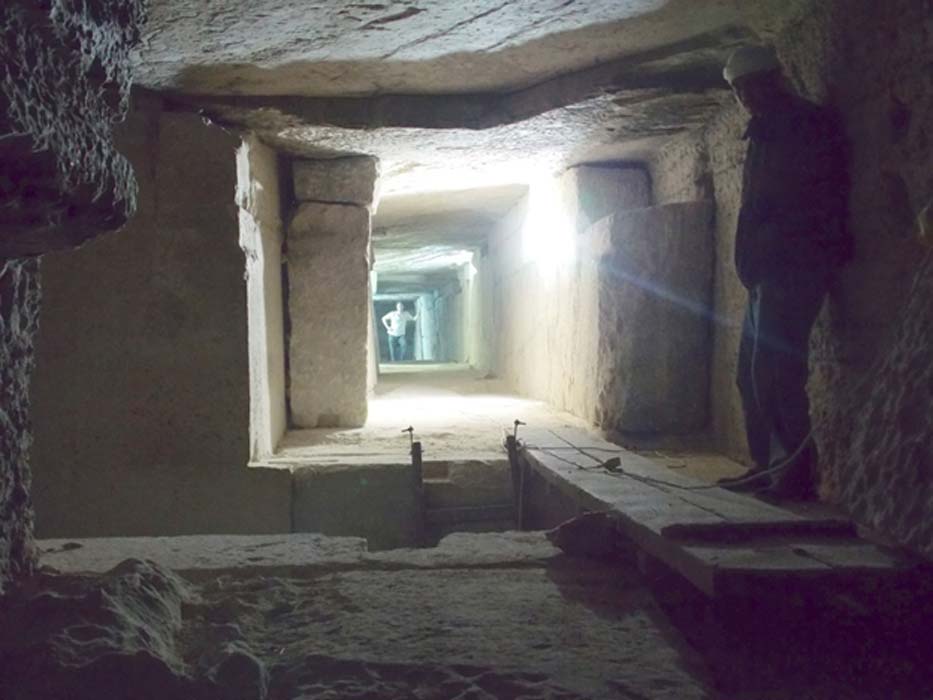
The tomb’s first chamber shimmered with gold dust embedded in the stone itself. Towering murals depicted scenes of judgment, diplomacy, and ritual—visual echoes of Solomon’s legendary wisdom. At the heart of the chamber stood a breathtaking golden throne, carved with lion motifs so detailed they appeared alive in the flickering torchlight.
But the real revelations lay in the artifacts.
Ceremonial objects such as seven-branched menorahs and ornate incense burners suggested the tomb was not merely a burial site, but a sacred space for royal rites. Personal items—among them a royal seal ring and ancient scrolls—offered intimate glimpses into Solomon’s life, governance, and inner world.
The wealth inside the tomb confirmed legends long dismissed as exaggeration. Solid gold vessels once used in temple ceremonies, rare imports from distant civilizations, and gemstones of staggering quality pointed to vast trade networks and diplomatic influence. Each artifact told a story—not just of riches, but of power, connection, and ambition.
Yet the most haunting discovery wasn’t made of gold.
A simple clay tablet, etched with reflections attributed to Solomon himself, spoke of wealth’s emptiness without wisdom. The message mirrored biblical teachings, creating a powerful contradiction: unimaginable excess paired with a warning against material obsession.
As researchers continue to document and analyze the site, historians are already debating its implications. If verified, the discovery could rewrite chapters of ancient history and reshape how the world understands one of its most enigmatic kings.
For now, one thing is certain: after 5,000 years of silence, King Solomon may finally be telling his story—and the world is listening.